
“When CarbonLink came on board, they took a fresh look at the project and identified opportunities that had been missed. Their technical expertise transformed the project's outlook and created significant additional value.”
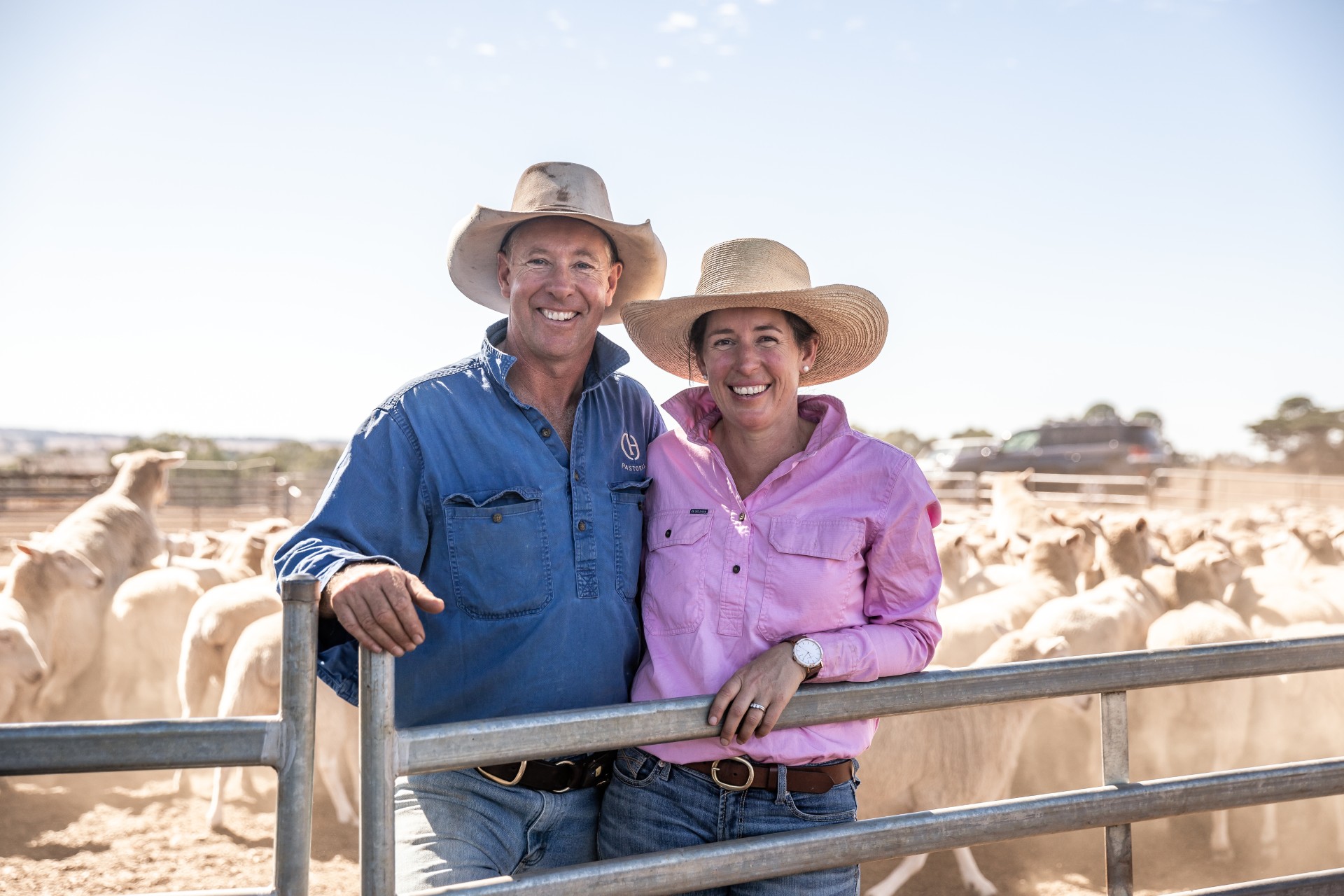
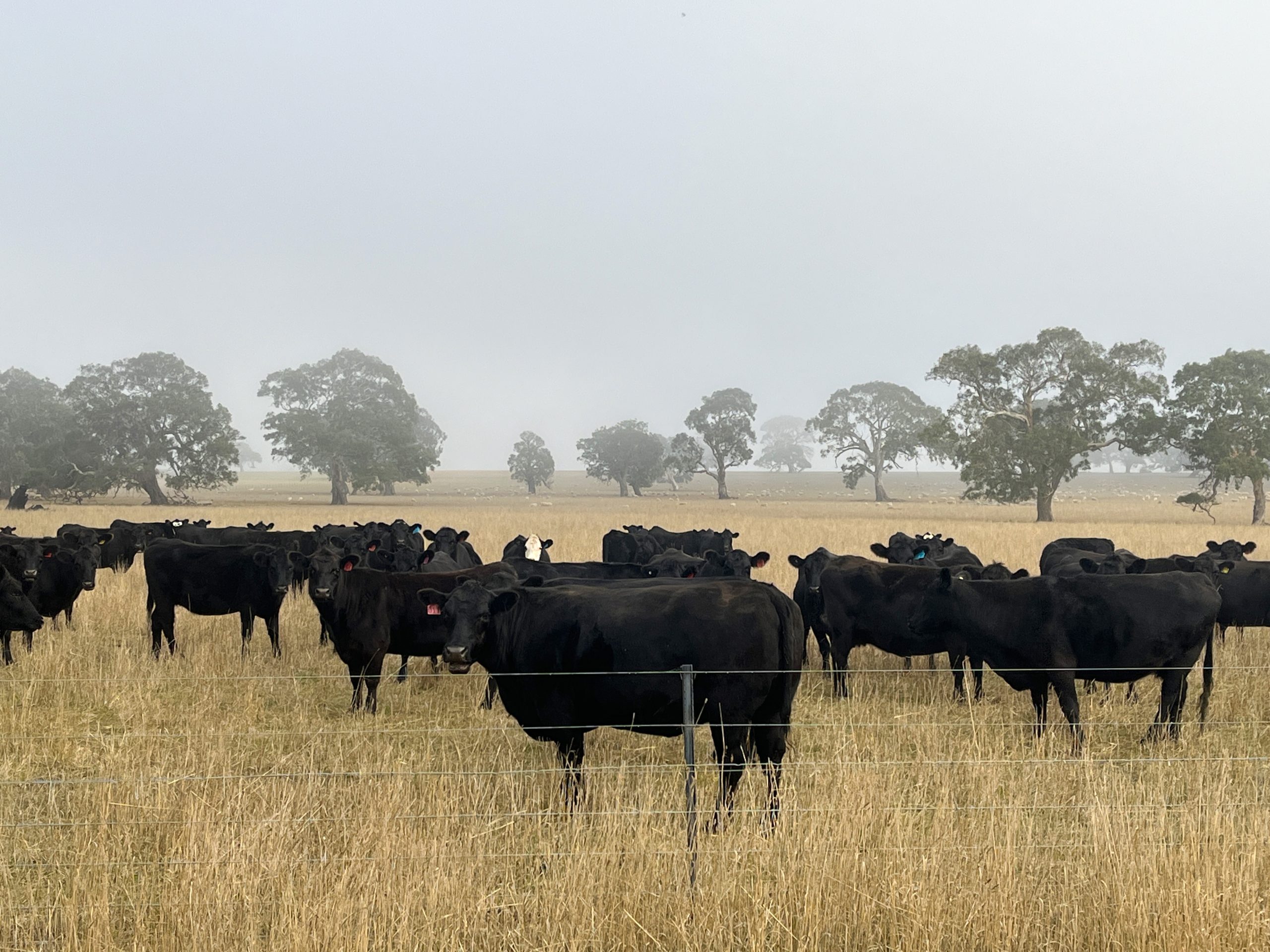
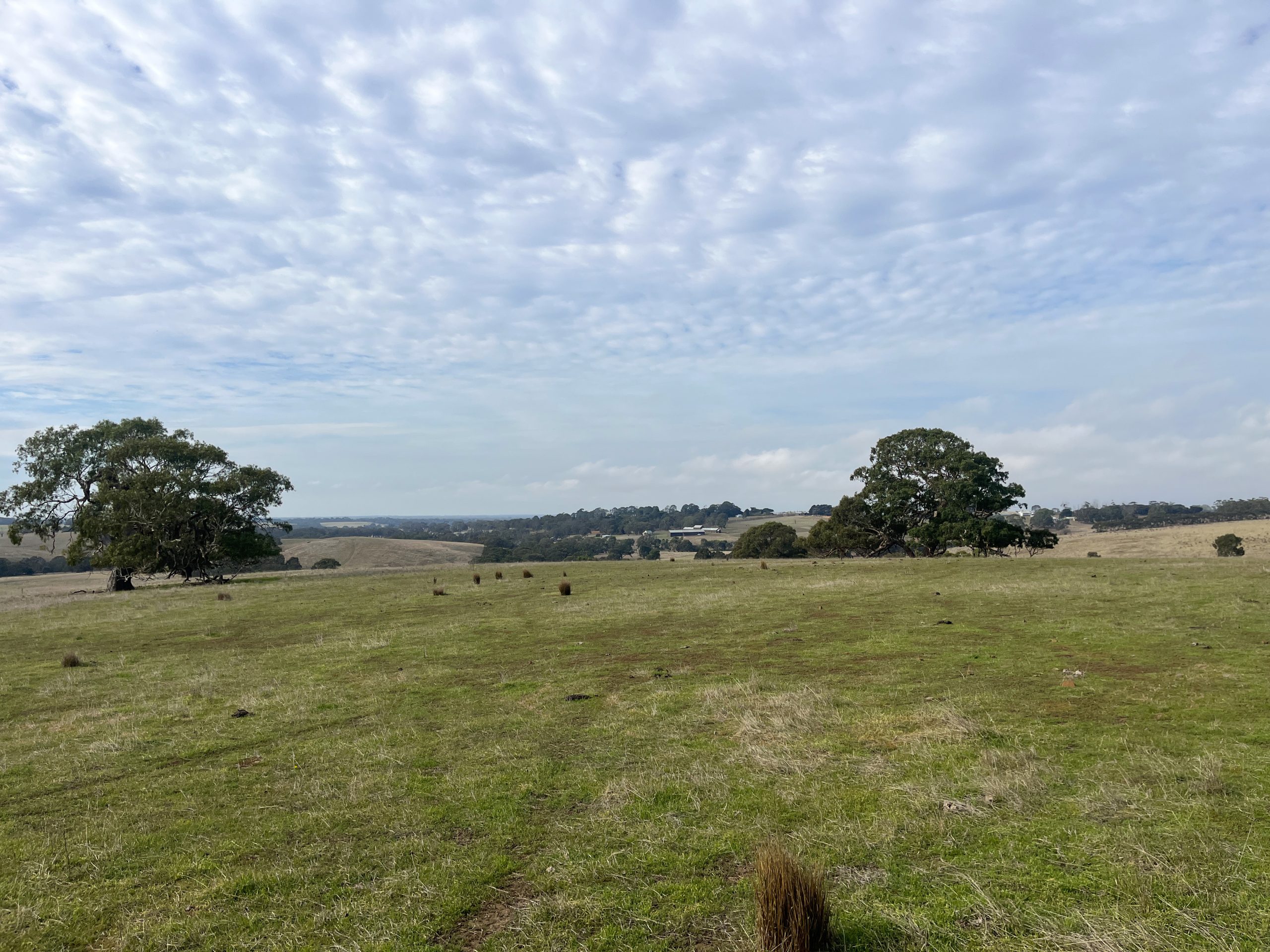
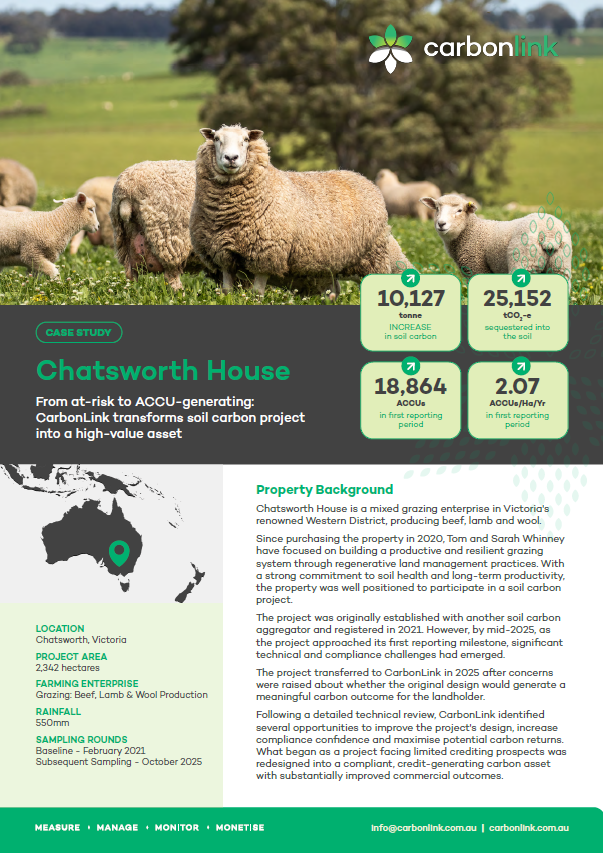
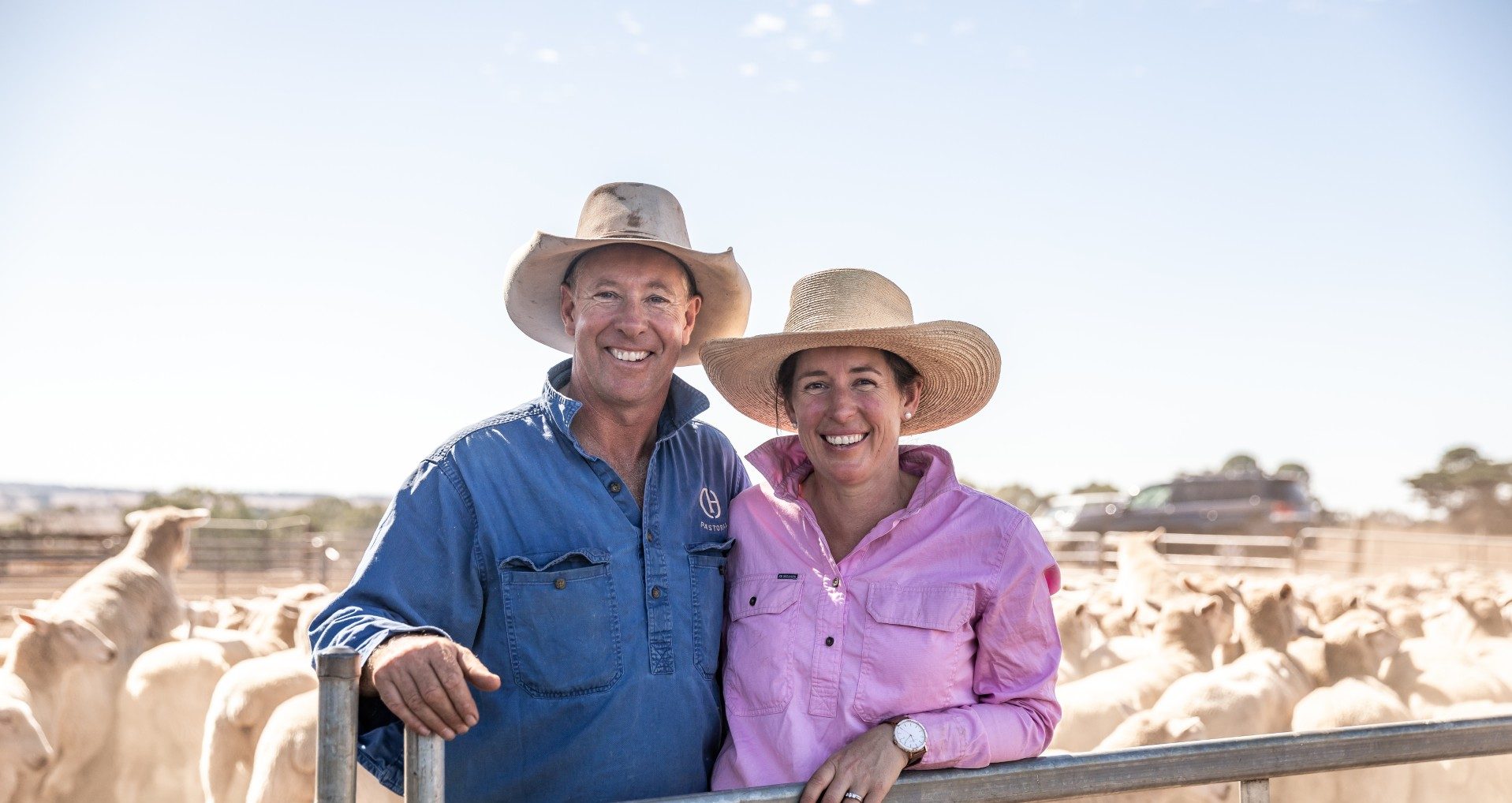
Chatsworth House is a mixed grazing enterprise in Victoria’s Western District, producing beef, lamb and wool. Since purchasing the property in 2020, Tom and Sarah Whinney have focused on improving soil health, productivity and resilience through regenerative land management.
The soil carbon project was registered with another provider in 2021. By mid-2025, as the project approached its first reporting milestone, technical and compliance challenges had created uncertainty about whether it would generate a meaningful carbon outcome.
After the project transferred to CarbonLink, a comprehensive technical review identified opportunities to strengthen the project design, improve compliance confidence and increase its potential to generate ACCUs. What began as a project with limited crediting prospects was redesigned into a compliant, ACCU-generating carbon asset.




The primary eligible activity implemented across the project was: Applying nutrients to address material deficiencies.
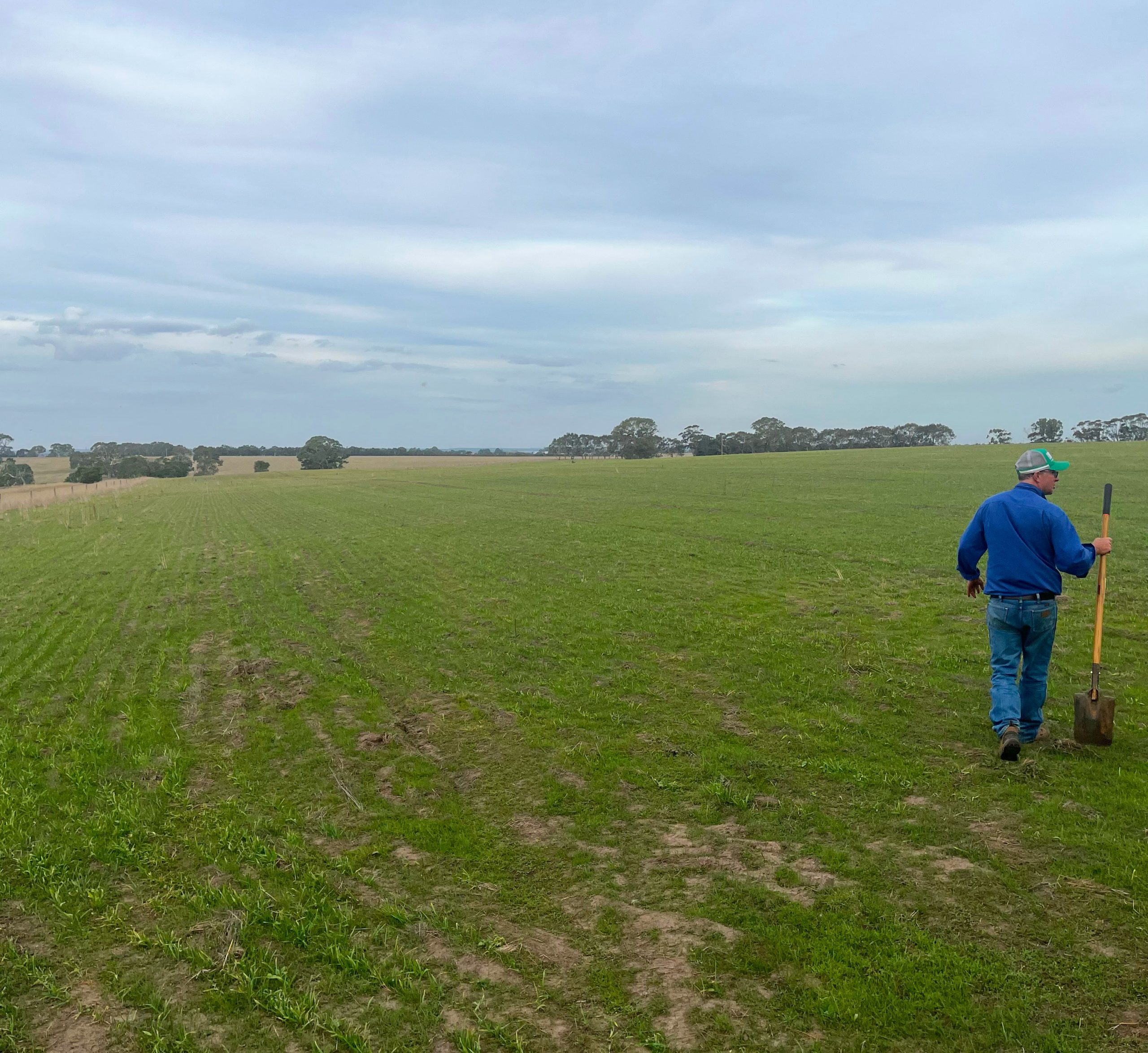
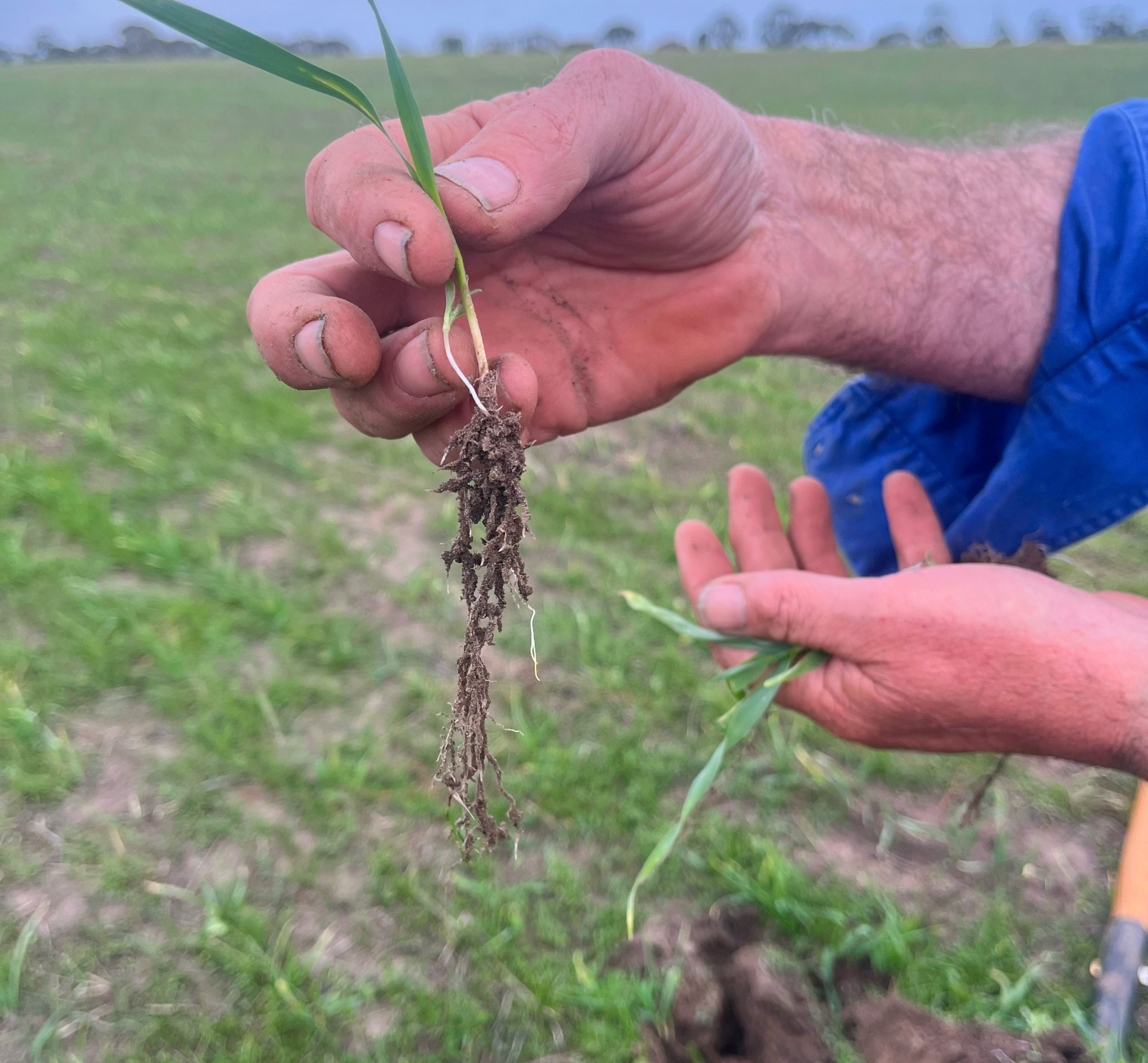
The project’s land management strategy (LMS) centred on improving soil fertility through the application of compost and other nutrient inputs to address identified soil deficiencies and support increased biological activity.
Supporting practices included: Lime application to address soil acidity, pasture renovation and re-seeding, enhanced grazing management and stocking strategies, and ongoing regenerative land management practices.
As existing RCS clients undertaking the Executive Link program, the Whinney family were already applying principles focused on improving ecosystem function, groundcover and landscape resilience.
“By improving the sampling strategy, refining the CEA and optimising emissions calculations, we transformed the project’s outlook and saw significant additional value for the landholder.”
Increasing soil organic carbon, improving soil fertility and building greater resilience were already important priorities for Sarah & Tom Whinney at Chatsworth House. Establishing a soil carbon project provided an opportunity to capitalise on these existing goals, while creating an additional source of value from the regenerative management practices being implemented across the property.
The soil carbon project aims to:
With CarbonLink taking over the project, a key additional objective became unlocking the project’s unrealised value through improved project design and technical optimisation.
CarbonLink’s role extended well beyond regulatory compliance. Following the transfer of the project from the alternate soil carbon aggregator, CarbonLink undertook a comprehensive technical review of sampling design, carbon estimation areas, baseline assumptions and emissions methodologies to establish the strongest available pathway for the project under the Soil Carbon Method.
The work Tom and Sarah Whinney have put into soil health and land management at Chatsworth House has delivered a measurable increase in soil carbon. Over the project’s first five years, soil testing measured a 10,127 tonne increase in soil carbon across the project area. This was equal to 25,152 tonnes of CO₂-e stored in the soil and resulted in 18,864 Australian Carbon Credit Units, or ACCUs.
These results provide an additional return from the improvements being made across the property, and is an example of what can be achieved when practical land management is supported by careful measurement and a soil carbon project designed around the property.