From stronger pasture performance to improved resilience and profitability, Australian producers are finding that the same changes that build soil carbon also boost farming outcomes.
Better grazing decisions, stronger ground cover and improved use of rainfall are just some of the ways carbon farming is helping to support more resilient, more productive and more profitable farming systems, delivering benefits beyond carbon outcomes and Australian Carbon Credit Units (ACCUs) alone.
How healthier soil powers production
CarbonLink Carbon Farming Advisor Stephen Stacey says soil carbon projects work alongside normal farm production, measuring increases in carbon stored in soil over time.
“Agricultural landscapes absorb CO₂ through photosynthesis and transfer some of that carbon into the soil,” he says.
“When management practices support soil health, more carbon can be stored as soil organic carbon (SOC), and verified increases can earn Australian Carbon Credit Units (ACCUs), administered by the Clean Energy Regulator under the Soil Carbon Method.
“Rather than changing the purpose of the land, the goal is to strengthen resilience, support productivity and drought recovery, and create an additional income stream for farmers through these measured carbon improvements.”
Soil carbon farming can be used across grazing, cropping, mixed farming operations, with eligible practice changes ranging from adjusting grazing intensity and rejuvenating pasture, through to retaining stubble, reducing tillage and applying soil amendments where appropriate.
While these practices improve soil function, influencing carbon levels, Stephen says they also affect how the entire farm system performs.

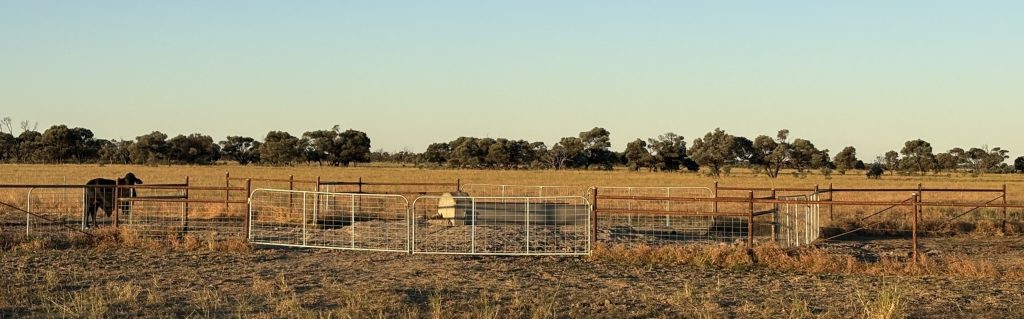
Cattle movement at Thistlebank property, North of Aramac in Central Queensland
“Farms implementing these practices consistently report productivity improvements alongside environmental outcomes,” he says. “Profitability and sustainability aren’t competing goals. They’re connected.”
“What we’re seeing across projects is better biodiversity, stronger ground cover and farmers taking a more positive longer-term view of their properties and businesses. Healthier landscapes are creating more resilient production systems.”
Stephen sees similar patterns across CarbonLink’s carbon farming projects when it comes to day-to-day management.
“Improved monitoring and record keeping help producers make better decisions and track gains more clearly over time,” he says.
Producers involved in soil carbon projects also become more proactive in responding to seasonal conditions, making earlier stocking decisions to protect pasture and maintain productivity.
“Instead of reacting once conditions deteriorate, they’re adjusting earlier to preserve feed base, maintain land condition and position themselves to recover faster after dry periods,” Stephen says.

Altering the stocking rate, duration, and intensity of grazing are practice changes selected for the Thistlebank soil carbon project.
From the ground up
At Thistlebank, near Aramac in Central Queensland, producer Ben Simpson is seeing firsthand the effects of soil carbon efforts on his family’s 22,830ha cattle property.
For Ben, who grew up on the coast and spent school holidays visiting the family farm before entering agriculture at 21, the path to carbon farming began with a focus on improving productivity.
As a fifth-generation producer operating through highly variable seasons, he had already begun making changes to how the farm was managed before partnering with CarbonLink in 2023. A soil carbon project was the next step.
Ben’s soil carbon project with CarbonLink was implemented on 6,000 hectares of the property.
To support the approach, the business invested in practical changes designed to improve flexibility and pasture utilisation, including increasing paddock subdivision from 6 to 21 paddocks; expanding water infrastructure from 14 troughs to 24; and creating greater control over grazing pressure and seasonal management.
Ben says even in the early stages, with rainfall variability influencing results, there have been visible signs on the ground.
“The grass is getting thicker, longer and healthier,” he says.
Lower supplementary feeding requirements, improved pasture utilisation and stronger weight gain all contribute to better business performance. Healthier country also creates more confidence in matching stocking decisions to carrying capacity and managing through seasonal variability.
Soil carbon projects typically run for 25 years, with goals set along the way. Ben says since partnering with CarbonLink, he’s “ticked off 23 of 25 short and longer-term goals”, giving him the ability to expand his future view even more.
His long-term focus is building a farming business that is profitable, resilient and capable of being passed to future generations, while showing others that productive agriculture and good land stewardship can exist together.
For him, stronger land condition and more deliberate management create more resilient production over time; outcomes that support both business performance and soil health.
“If you’ve got good grass, you’ve got good carbon,” he says. “The better results you get in one, the better you get in the other.”
Ben’s soil carbon project with CarbonLink was implemented on 6,000 hectares of the 22,830ha property – a targeted carbon estimation area (CEA) for two reasons.
“Firstly, I was still in the mindset shift – I wanted to be sure in my own ability to implement the required practice changes. Secondly, Torrens Creek runs through the Thistlebank property, which makes it more challenging to apply consistent practice change across that area. Working with CarbonLink, we were able to segment this land out of the project,” Ben explained.
Building on the confidence gained from his first soil carbon project, Ben is now evaluating a further 12,000 hectares of eligible country for a second project with CarbonLink.

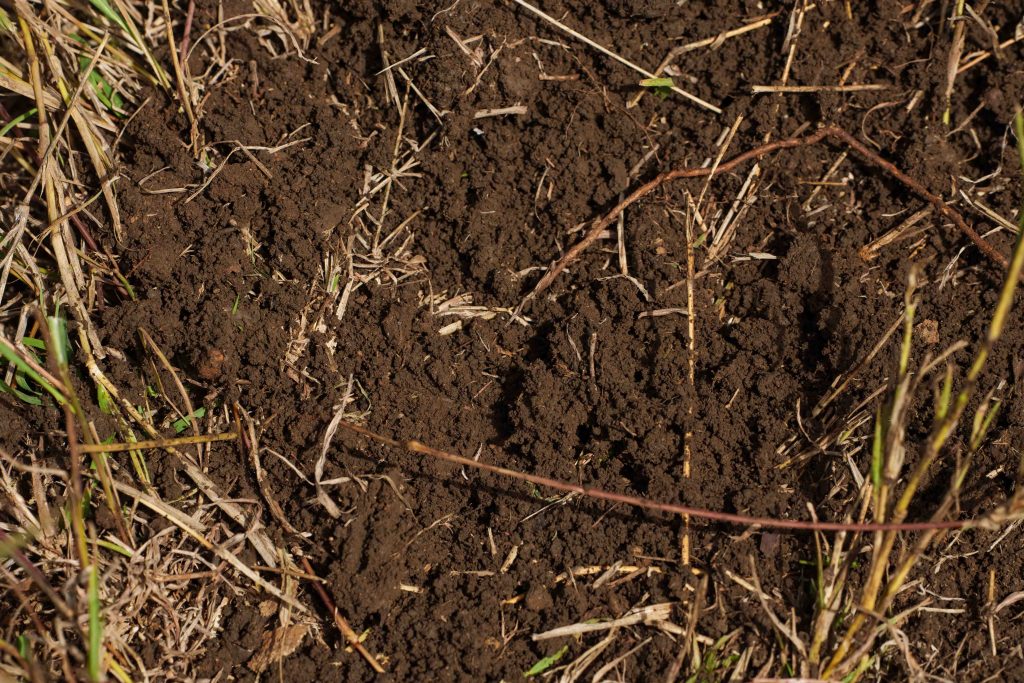
Ground cover at the Thistlebank soil carbon project.
Taking the first step
Stephen says most farmers are already operating successful businesses, so they naturally ask why they would change anything. His advice is not to assume soil carbon requires radical change.
“Many of the practices that support soil carbon, including maintaining ground cover, improving grazing management and protecting land condition, are already recognised as good farming principles,” he says.
“It’s not new or unusual. You don’t have to be doing anything crazy or complex to build soil carbon.”
He recommends farmers start with a good understanding of their property, goals and whether a project aligns with the way they already operate.
“Speak to an advisor and get the information upfront. Understand what’s involved and what the opportunity could look like for your business,” he says.
Over the years Ben has engaged with RCS Australia and KLR Marketing, alongside CarbonLink advisors, for education and training. He adds that having practical support matters just as much as having the right plan.
“Having access to education, on-farm coaching and advice tailored to our operation has been an important part of turning these ideas into action and building our confidence in the changes being made,” he says.
For many farmers, the productivity gains may begin long before the first carbon credit is generated.
Watch our webinar to learn more and get in touch to explore how soil carbon farming could support productivity on your farm.

Frequently asked questions about soil carbon and productivity
Does soil carbon farming actually improve productivity?
Yes. When projects are built around good land management, productivity improvements are often part of the outcome. Better soil function can support stronger pasture growth, improved water use, healthier ground cover and more resilient grazing systems. CarbonLink reports that many participating producers have seen productivity improvements alongside soil carbon outcomes.
Will a soil carbon project restrict how I run my farm?
No, soil carbon projects are designed to work alongside farm production, not replace it.
While projects involve monitoring and reporting requirements, practice changes are intended to support long-term productivity, drought resilience and stronger land condition rather than limiting day-to-day decision-making.
Does soil carbon work for livestock businesses only?
No. Soil carbon projects can apply across grazing, cropping, mixed farming and pasture-based systems.
The objective is not a one-size-fits-all model. Projects are designed around the operation, land type and management flexibility required.
What practice changes help build soil carbon?
There isn’t one formula.
Eligible practice changes can include:
- Changing grazing intensity or stocking strategy
- Rejuvenating or establishing pasture
- Introducing legumes or cover crops
- Improving irrigation efficiency
- Retaining stubble
- Moving toward reduced tillage
- Applying soil amendments where appropriate
- Improving landscape function and water movement
Projects are designed around what suits each farm, rather than prescribing one method.
I’m already doing regenerative practices, does that mean I’ve missed the opportunity?
Not necessarily.
A higher starting point doesn’t automatically mean lower returns. Existing regenerative management may create healthier, more biologically active systems that still have capacity to continue building soil carbon over time.
Eligibility depends on demonstrating a meaningful step-change compared with historical management, not starting from poor conditions.
What happens if I don’t build carbon in the first reporting period?
If no ACCUs are issued, there is nothing to repay.
In practical terms, the main downside is the cost associated with measurement during that reporting round.
While outcomes can vary, consistent application of your selected practice changes – combined with CarbonLink’s strong track record and specialised approach to project design, sampling, and measurement – means it is highly unlikely that you would not demonstrate an increase in soil carbon over time.
Why choose soil carbon over other carbon project types?
For many producers, soil carbon stands out because it can work alongside normal farm production.
Rather than changing the purpose of the land, the goal is to strengthen resilience, support productivity and potentially create an additional income stream through measured improvements in soil carbon.
How can I get started with a soil carbon project?
Start by understanding whether a soil carbon project aligns with your property, management approach and long-term goals.
Many of the practices that support soil carbon are already recognised as good farming principles.
Contact CarbonLink for a free on-farm Carbon Farming Consultation to assess suitability, explore opportunities and help you understand what’s possible for your operation.