CarbonLink has played a central role in the landmark Rangelands Carbon project, a $6.6 million initiative led by the Food Agility Cooperative Research Centre (CRC) that has transformed how soil carbon is measured and modelled across northern Australian rangelands.
As a long‑standing partner of Food Agility CRC, CarbonLink contributed scientific, digital and modelling expertise that directly supported the project’s innovative outcomes and created lasting value for Australia’s producers and carbon market participants.
The three‑year project represents the most comprehensive investigation into rangelands soil carbon ever undertaken in Australia. More than 2,257 soil cores – each up to 1.2 metres deep – were collected from 908 sites across AACo properties, generating over 40,000 sub‑layers and more than 20 terabytes of data. This unprecedented dataset enabled the development of new digital tools, including a high‑resolution Soil Organic Carbon (SOC) baseline map and an advanced Integrated Model that predicts carbon dynamics under different land management and climate scenarios.
For CarbonLink, the project provided an opportunity to apply and extend its deep domain expertise in soil carbon measurement, modelling and on‑ground sampling. With nine participating team members, CarbonLink was instrumental in the project’s field program, data analysis and model development, and played a key role in integrating scientific insights across partner organisations.
CarbonLink Senior Soil Scientist, Rob Crossley commented on the diverse expertise that was brought together to solve complex carbon accounting challenges.
“The project fostered a culture where the skills and ideas from scientists specialising in a wide range of natural resource areas, data scientists, the AACo team and field crews were integrated to generate innovative solutions to the challenges presented.”
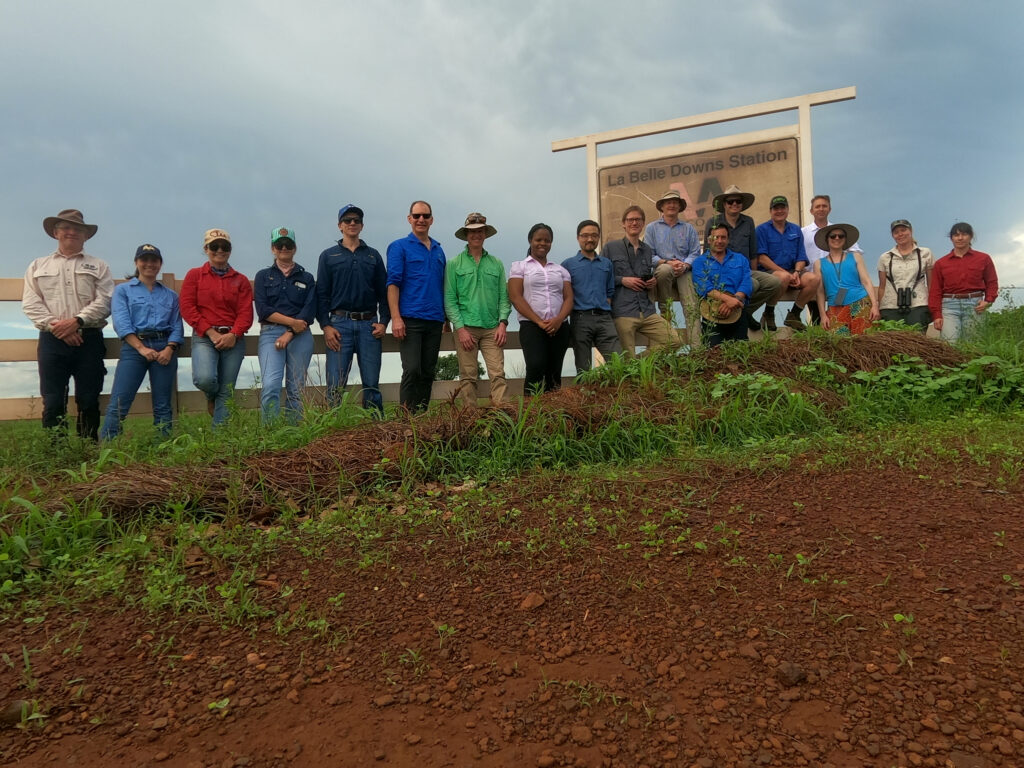
Over 50 people from 8 industry partners worked on this research initiative.
Advancing scalable, lower‑cost carbon measurement
A core ambition of the Rangelands Carbon project was to significantly reduce the cost and complexity of measuring soil and vegetation carbon across vast and remote landscapes. Historically, these measurements have been both expensive and time‑consuming, limiting producers’ ability to participate in carbon markets. The project’s findings demonstrate that accurate carbon estimates can be achieved with far lower sampling densities than previously assumed – an insight that could materially decrease the cost of future carbon projects.
The new Integrated Model, drawing on machine learning, remote sensing, process‑based modelling and field data, marks a major step forward in scalable, cost‑effective carbon quantification. It provides land managers with evidence‑based tools to assess carbon stocks, model future scenarios, and identify priority areas for sequestration. CarbonLink’s specialised knowledge ensured the model was built on scientifically rigorous foundations that can support practical uptake by producers and developers.
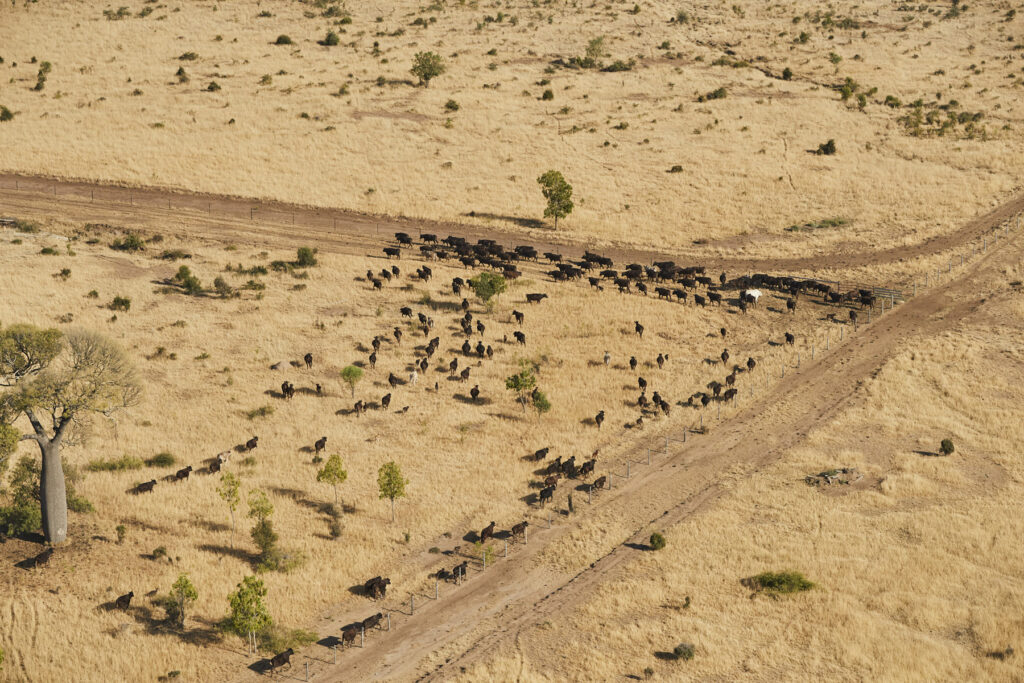
Credit: AACo, Glentana Full Blood Wagyu
Strengthening producer decision‑making and carbon market readiness
The project revealed a statistically significant positive relationship between land condition and soil carbon, confirming that sustainable land management practices can enhance both carbon sequestration and landscape resilience. With SOC mapping and risk analysis tools delivered as part of the project, producers now have greater visibility into how management decisions influence carbon outcomes, ESG performance, and participation in the ACCU scheme.
These outcomes directly support CarbonLink’s mission to help land managers unlock the full value of their natural capital. The partnership with Food Agility CRC has strengthened CarbonLink’s capacity to deliver robust, scientifically validated solutions for carbon project design, measurement and reporting.
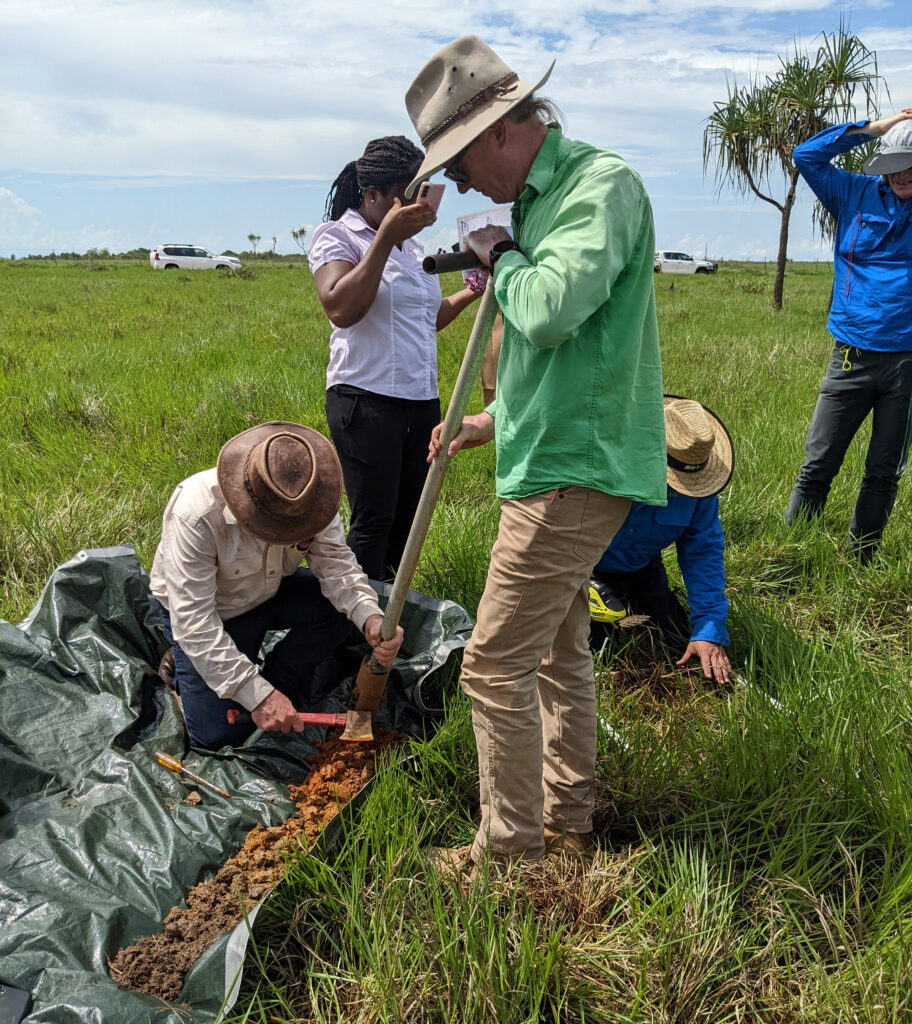
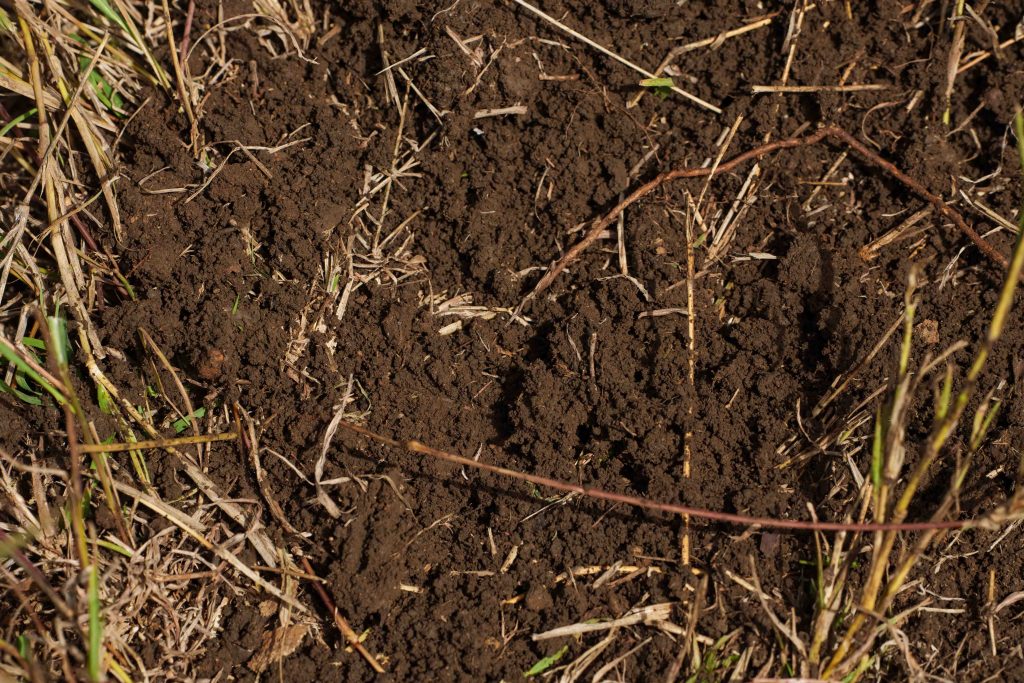
Over three years, the project team sampled 2,257 soil cores up to depth of 120cm, taken from 908 sites across AACo properties in the NT and QLD.
A partnership driving impact at scale
CarbonLink’s collaboration with Food Agility CRC continues beyond this project, with both organisations committed to solving industry‑wide challenges and accelerating the adoption of credible, technology‑enabled carbon solutions. By combining scientific expertise, digital innovation and hands‑on rangelands experience, the partnership is helping Australian producers build resilience, improve sustainability and access emerging market opportunities.
CarbonLink was honoured to contribute its technology and expertise to the Rangelands Carbon project alongside a strong group of research partners: Australian Agricultural Company (AAC0), Cibo Labs, FLINTpro, Federation University Australia, University of Technology Sydney (UTS), Charles Sturt University.
More information
For a detailed summary of findings, tools and scientific analysis, see:
- Official Media Release: Food Agility CRC — Sustainable land management practices increase Soil Organic Carbon in the northern Australian rangelands
- Final Public Report: Understanding and Unlocking Rangelands Carbon (2026)
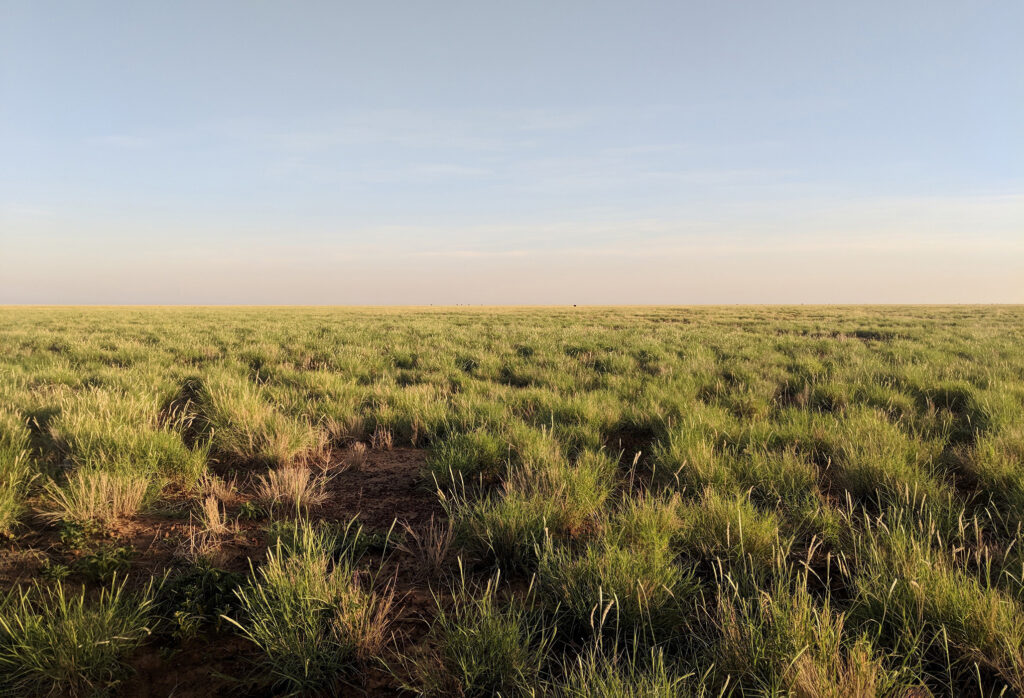
Research discovered there is greater potential to store carbon in rangelands than previously thought.
In short, the key outcomes of the Rangelands Carbon project in Australia include:
- It became the largest and most comprehensive soil carbon sampling project ever completed in the northern Australian rangelands, providing high‑integrity baseline data across vast pastoral landscapes.
- New digital measurement and modelling tools were developed, significantly reducing the cost and time required for soil carbon measurement and assessment, while maintaining scientific accuracy.
- Producers gain improved decision‑making and monitoring capabilities, enabling better land management and stronger, long‑term carbon project outcomes across the rangelands.