Soil carbon projects are often positioned as a new revenue opportunity, but generally they don’t start with carbon.
They start with optimising farm performance.
Resource Consulting Services (RCS) works with producers to unlock productivity and profitability opportunities by first strengthening the fundamentals: grazing management, infrastructure, and whole-of-business decision-making. Because in practice, the same changes that improve productivity are the ones that enable carbon outcomes.
Let’s be clear. A soil carbon project adds value to a well-run production business – it doesn’t replace the need for one.
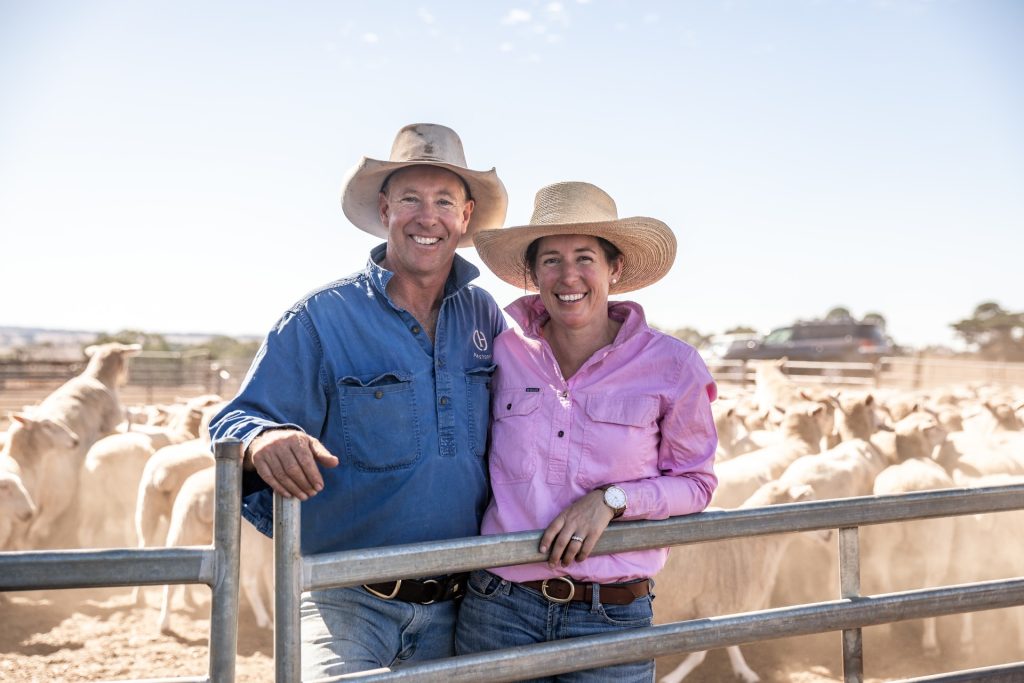
For this reason, CarbonLink has a long-standing partnership with RCS.
CarbonLink works with producers to deliver soil carbon projects, while RCS focuses on helping producers optimise their land, livestock systems, and operations. Both businesses aim to ensure farms are set up to unlock both productivity gains and carbon sequestration potential.
The result? More resilient, higher-performing businesses with multiple revenue streams.
Infrastructure + Management: Real Drivers of Return
Across grazing operations, one of the most consistent levers for improvement is the combination of:
- Strategic fencing
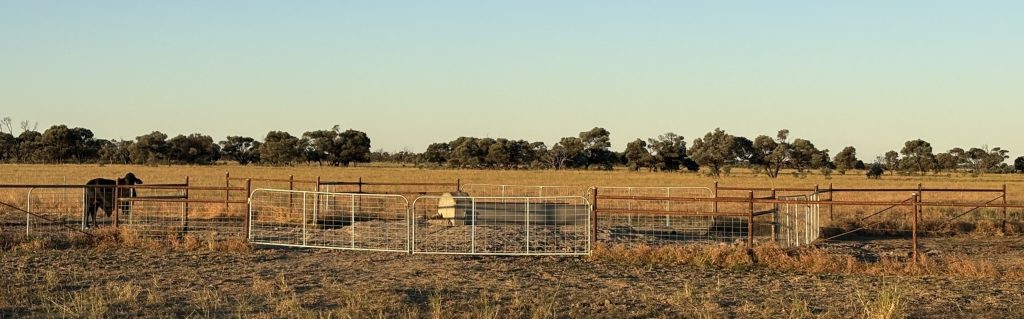
- Water infrastructure development
- Improved grazing control
But infrastructure alone doesn’t generate returns. The real impact comes from how it’s planned and used.
High-performing producers focus on:
- Coordinating grazing systems and logistics
- Identifying the most profitable enterprise mix
- Building team capability to execute consistently
These factors determine whether infrastructure investments translate into meaningful gains.
What the Data Shows: Strong Returns Before Carbon
RCS has worked with producers for decades to implement these changes, and the data is consistent.
- Average returns from fence and water development sit around ~40% annually
- That’s approximately 8× higher than low-risk financial alternatives such as term deposits or debt reduction
- RCS typically targets a minimum ~20% annual return before recommending investment
What this means:
The business case often stacks up before carbon revenue is even considered.
Carbon then becomes an additional upside – not the sole justification.
Case Studies
The following data has been provided from RCS’s national producer dataset.
Case Study 1: Infrastructure upgrades with rapid payback
A producer developed one of their river blocks by investing in 8 troughs, 10km of pipe, and electric fencing (including an energiser), with labour costs and grader hire incorporated in their analysis.
By monitoring yields on their grazing chart before and after, they calculated a 40% return on investment per annum from this work, equating to a 2.5 year payback period.
Outcomes:
- ~40% annual return
- ~2.5-year payback period
Case Study 2: Small changes, significant uplift
A 970ha paddock was subdivided into four paddocks and supported with two additional water points. Total cost for fence and water was $25,500 for materials and labour.
Their grazing chart showed that paddocks developed in earlier stages of the plan were yielding 20 stock days per hectare (SDH) more. When using the information from both their grazing chart and FarmEye business analysis gross margins, the calculated yield was worth $21,000 extra gross margin per year. In this case, that equated to an 83% return on investment.
Outcomes:
- Measurable increase in grazing productivity
- ROI of ~80%+ annually, with further upside over time
Case Study 3: Scaling performance – even in tough seasons
A large-scale development program was implemented on a 6,000ha property. Despite rolling rainfall dropping 44%, their ability to effectively manage grazing allowed them to yield 4x more grass than before. Based on gross margins at that time, this equated to a 259% return on investment.
Even when adjusting to longer term benchmark returns from RCS’s ProfitProbe platform, the return was still 147%.
Outcomes:
- Up to 4× increase in pasture productivity
- ROI ranging from 147% to 259%
Each time a paddock is split, carrying capacity can increase by around 20%, creating compounding productivity gains over time.
Why This Matters for Soil Carbon Projects
Improved grazing systems and infrastructure don’t just impact productivity – they fundamentally change how land functions.
These changes can:
- Increase biomass production
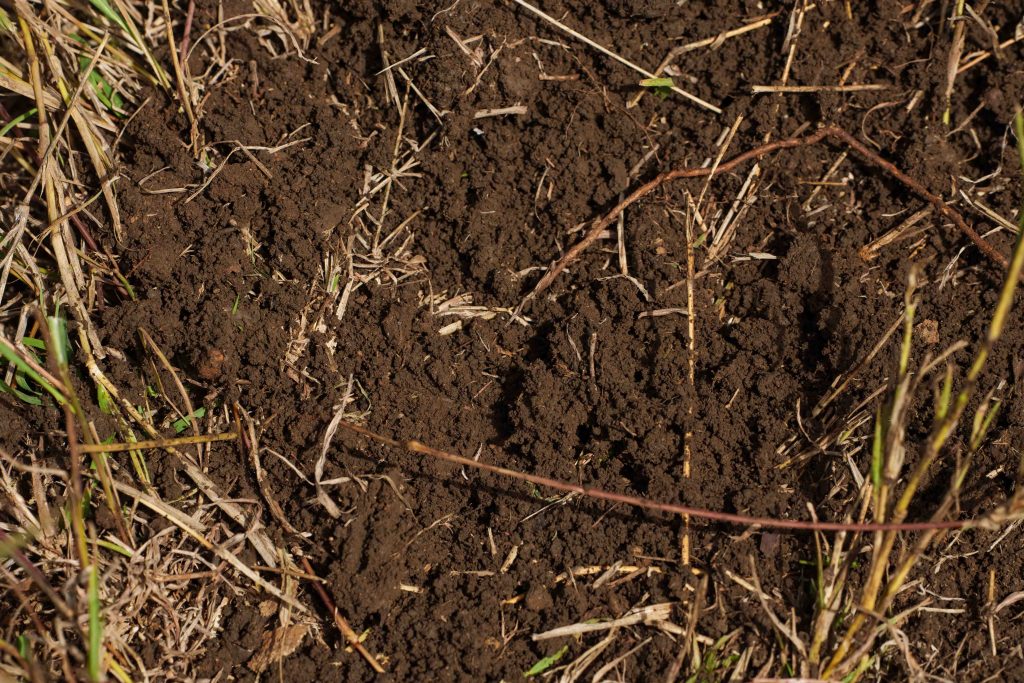
- Improve ground cover and soil health
- Enhance the farm’s ability to store carbon
In other words, the actions that drive profitability are often the same ones that drive carbon outcomes.
This alignment is what makes soil carbon projects viable – and scalable!
The Reality: Results Take Commitment
It’s important to be clear: these outcomes aren’t achieved overnight.
The producers in these case studies:
- Invested in ongoing education and training
- Worked with RCS Advisors over multiple years
- Took a structured, long-term approach to implementation
This combination of strategy, capability, and execution is what underpins both farm performance and carbon success.
That shift in thinking is where the CarbonLink × RCS partnership delivers the most value.
Soil carbon projects are at their strongest when they’re built on high-performing production systems.
By combining:
- RCS’s proven approach to optimising farm performance, and
- CarbonLink’s expertise in project delivery,
producers can create businesses that are:
- More productive
- More profitable
- More resilient
- And better positioned to generate long-term carbon value
Ready to Explore What’s Possible?
If you’re considering a soil carbon project, start with the fundamentals.
- Speak to CarbonLink about your carbon opportunity
- Work with RCS to unlock the performance gains that make it viable