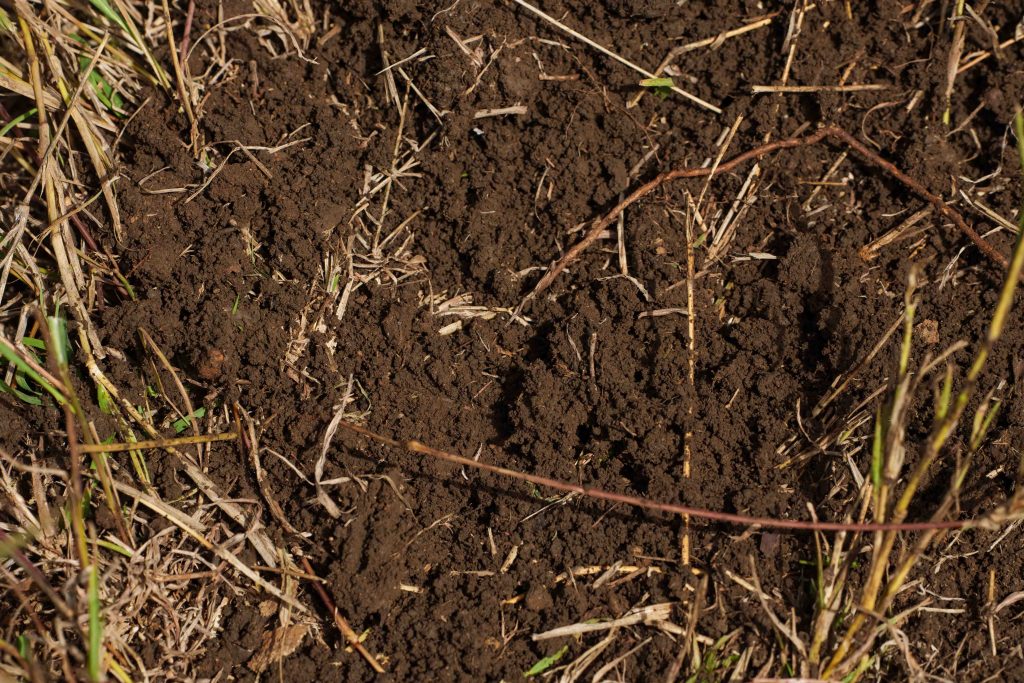
Soil Judging Competitions are fertile ground for encouraging the next generation of soil scientists. Who knows – they may get their hands even dirtier and one day become esteemed experts contributing to soil science across Australia!
At CarbonLink, we know that healthy soils are the foundation of a sustainable future, and we’re proud to have team members who are not only passionate about soil science but actively shaping its future.
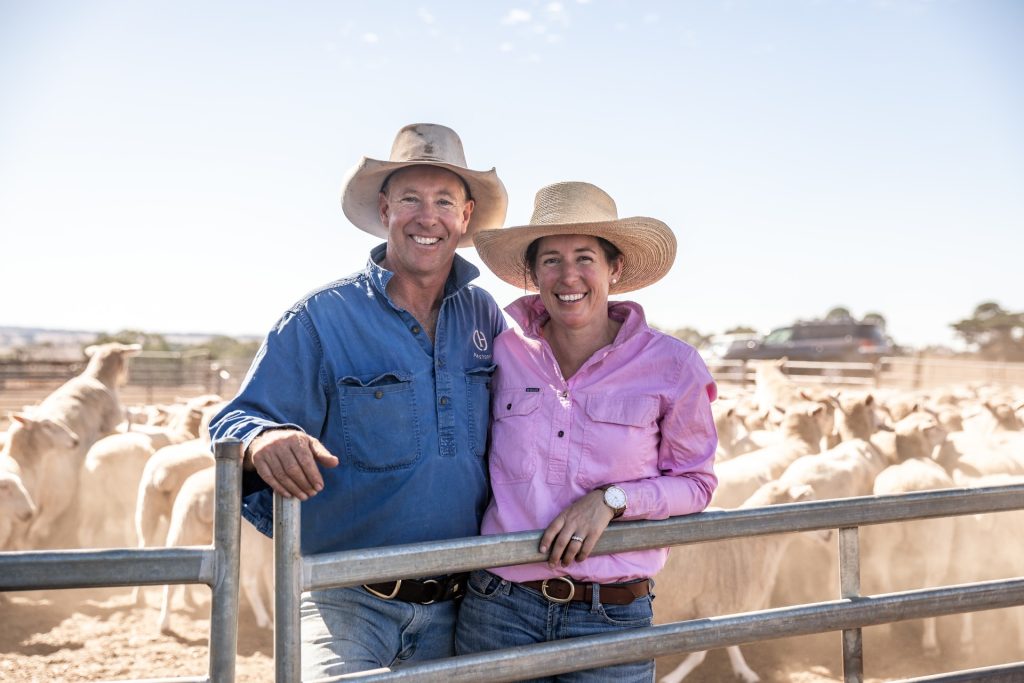
Ava Robertson, Advisory Coordinator at CarbonLink, showcased her technical expertise at the 2025 Australian Soil Judging Competition, hosted by Soil Science Australia at the University of New England (UNE) in Armidale, NSW.
The four-day event made history, drawing a record-breaking number of participants to what became the largest soil judging competition ever held in Australia. More than 220 participants came together to test their skills in soil description, classification, and interpretation.
Ava’s outstanding performance earned her 1st place in the University Individual category, representing the University of Sydney. Her achievement highlights the depth of knowledge and commitment within CarbonLink’s Advisory Team – expertise that supports our mission to help landholders improve soil health and increase carbon sequestration.
Championing Soil Science
The competition provided much more than a technical exercise in classifying Australia’s widely diverse and unique soils. It offered a unique environment for participants to challenge themself, deepen an understanding of our landscapes and soils, and build relationships with like-minded people who are equally passionate about soil science.
“To say I simply “learned” in Armidale would be a huge understatement. Over the course of the experience, I developed a strong, practical understanding of the Australian Soil Classification system – far beyond what you could ever gain from a textbook or lecture theatre.”
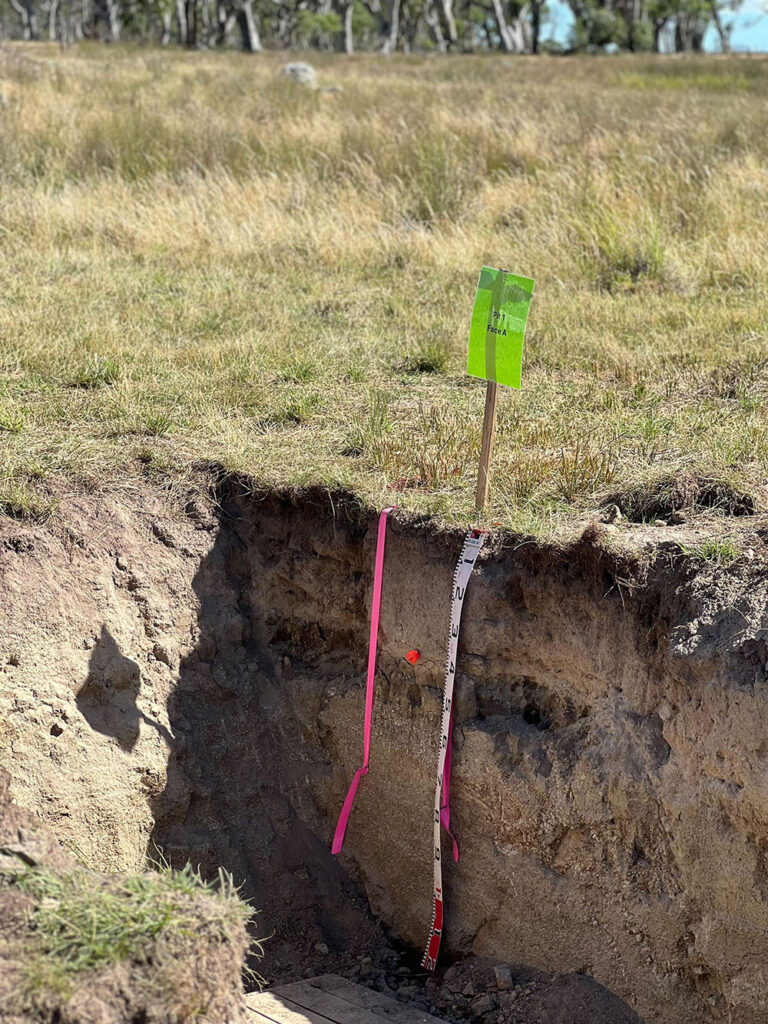
“From standing at soil pits to discussing horizons, texture, structure and constraints in real time turned abstract concepts into something tangible and memorable. Each profile told a story about climate, geology, land use and resilience, and by the end I felt I could read those stories with far more confidence to take out into industry.”
Equally powerful was the caliber of people participants were able to learn from and work with.
“I had the chance to liaise, question and collaborate with some of Australia’s leading soil experts from organisations including CSIRO, the Queensland Government and the University of Adelaide,” explained Ava.
“What stood out was not just their depth of technical knowledge, but their generosity in sharing it and their honesty about the scale of the challenge in restoring Australia’s degraded soils. It was inspiring to see how rigorous science, policy and on-ground practice intersect through their work. I walked away with a far clearer sense of how my own career could contribute to that bigger national effort.”
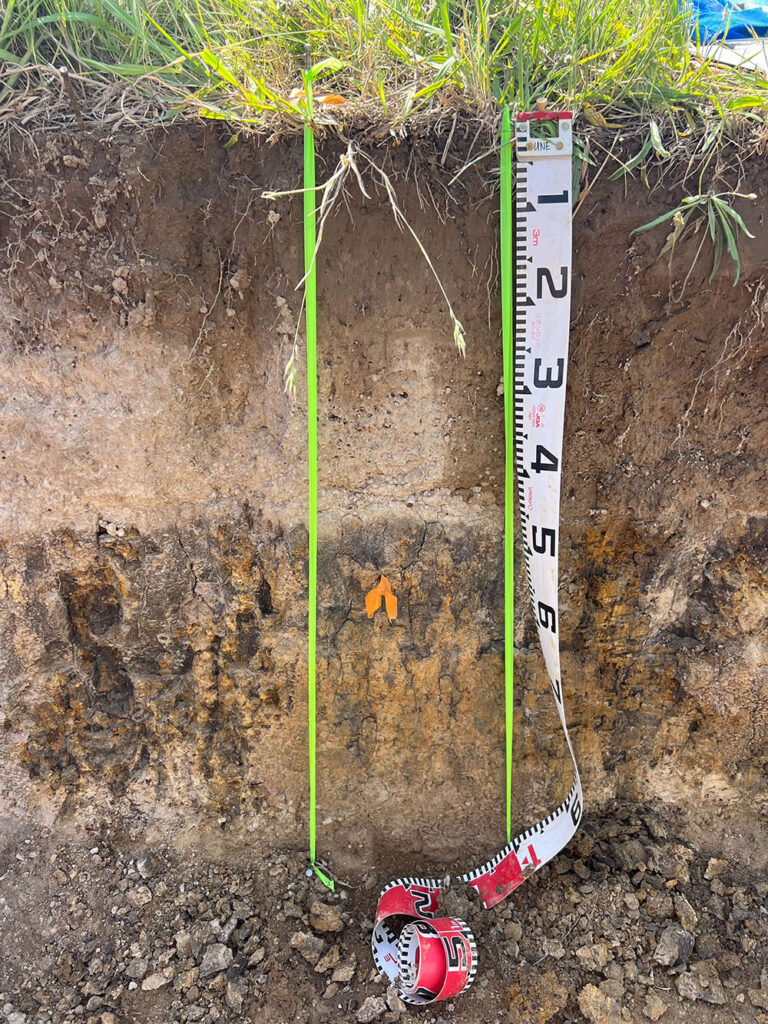
Why Soil Science Matters?
Soil is more than dirt – it’s a living, breathing ecosystem that plays a critical role in climate resilience, food security, and carbon storage. At CarbonLink, we champion the importance of soil science in Australia by:
- Investing in technical expertise: Our team includes soil scientists and advisors who bring cutting-edge knowledge to every project.
- Supporting industry growth: We actively encourage participation in events like the Soil Judging Competition, which inspire the next generation of soil professionals.
- Driving innovation in soil management: Through research, training, and collaboration, we help landholders adopt practices that improve soil health and deliver measurable carbon outcomes.
Competitions like this are more than a test of skill – they’re a celebration of the science that sustains our planet. By fostering talent and sharing knowledge, CarbonLink is committed to growing the soil science industry and ensuring Australia remains at the forefront of sustainable land management.
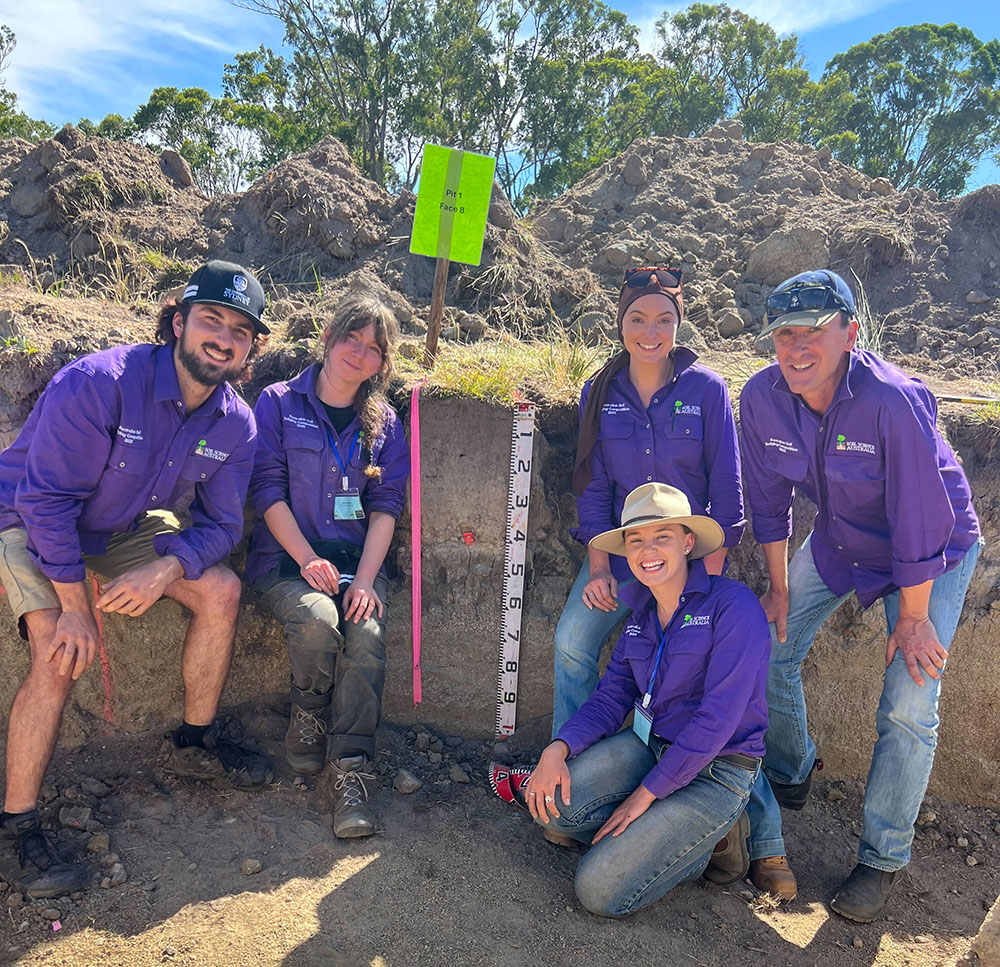
The 2025 Australian Soil Judging Competition was hosted by Soil Sciences Australia.